Comparison between Bioderma Atoderm Cream vs. Neutrogena Hydro Boost
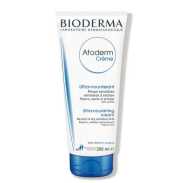
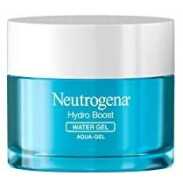
Find out which product is better for your skin.
Ingredients in both products 3
Components only in Bioderma Atoderm Cream 27
Mineral Oil, Cetearyl Isononanoate, Glyceryl Stearate SE, PEG-100 Stearate, Myreth-3 Myristate and 22 more. Show all.
Uniqueness: 90.0%
Components only in Neutrogena Hydro Boost 16
Dimethicone, Dimethicone Crosspolymer, Trehalose, Sodium Hyaluronate, Ethylhexylglycerin and 11 more. Show all.
Uniqueness: 84.2%
Face to Face
Components position by position
1
Water
1
Water
2
Mineral Oil
2
Dimethicone
3
Glycerin
3
Glycerin
4
Cetearyl Isononanoate
4
Dimethicone Crosspolymer
5
Glyceryl Stearate SE
5
Trehalose
6
PEG-100 Stearate
6
Sodium Hyaluronate
7
Myreth-3 Myristate
7
Ethylhexylglycerin
8
Steareth-21
8
Cetearyl Olivate
Show others
Positive Effects
Find out what good effects the product has
Both products provide the following effects: , Moisturizing, Softening, Anti-aging, Rejuvenation, Protection, Hair conditioning, Hair structure improvement, Hair gloss
Effects unique for Atoderm Cream:
Antioxidant, Acne fighting, Pore Shrinking, Soothing, Lightening, Elasticity improvement, NutrifyingEffects unique for Hydro Boost:
Cleansing, Antistatic, Antiseptic, Deodorant-- Show more --
ECO Metrics
Find out how eco-friendly the components are
Vegan
No
No
Cruelty free
No
No
Reef safe
Yes
Yes
Ozone layer safe
Yes
Yes
Organic score
natural
8 out of 30
27%
chemical
19 out of 30
63%
natural
2 out of 19
11%
chemical
15 out of 19
79%
Concerns
Pay attention to this information
-- Extra information --
Components by Skin Type
Find out what components are good or bad for your skin type
Dry skin
Positive: 2Negative: 0
Glycerin#3Palmitic Acid#16
Oily skin
Positive: 0Negative: 3
Glyceryl Stearate SE#5Myreth-3 Myristate#7Stearic Acid#17
Sensitive skin
Positive: 0Negative: 0
Dry skin
Positive: 2Negative: 0
Glycerin#3Sodium Hyaluronate#6
Oily skin
Positive: 0Negative: 0
Sensitive skin
Positive: 0Negative: 0